TimothyCorder
A visionary fluent across all three disciplines of live entertainment systems — audio, broadcast video, and lighting — building the infrastructure behind moments that move people.
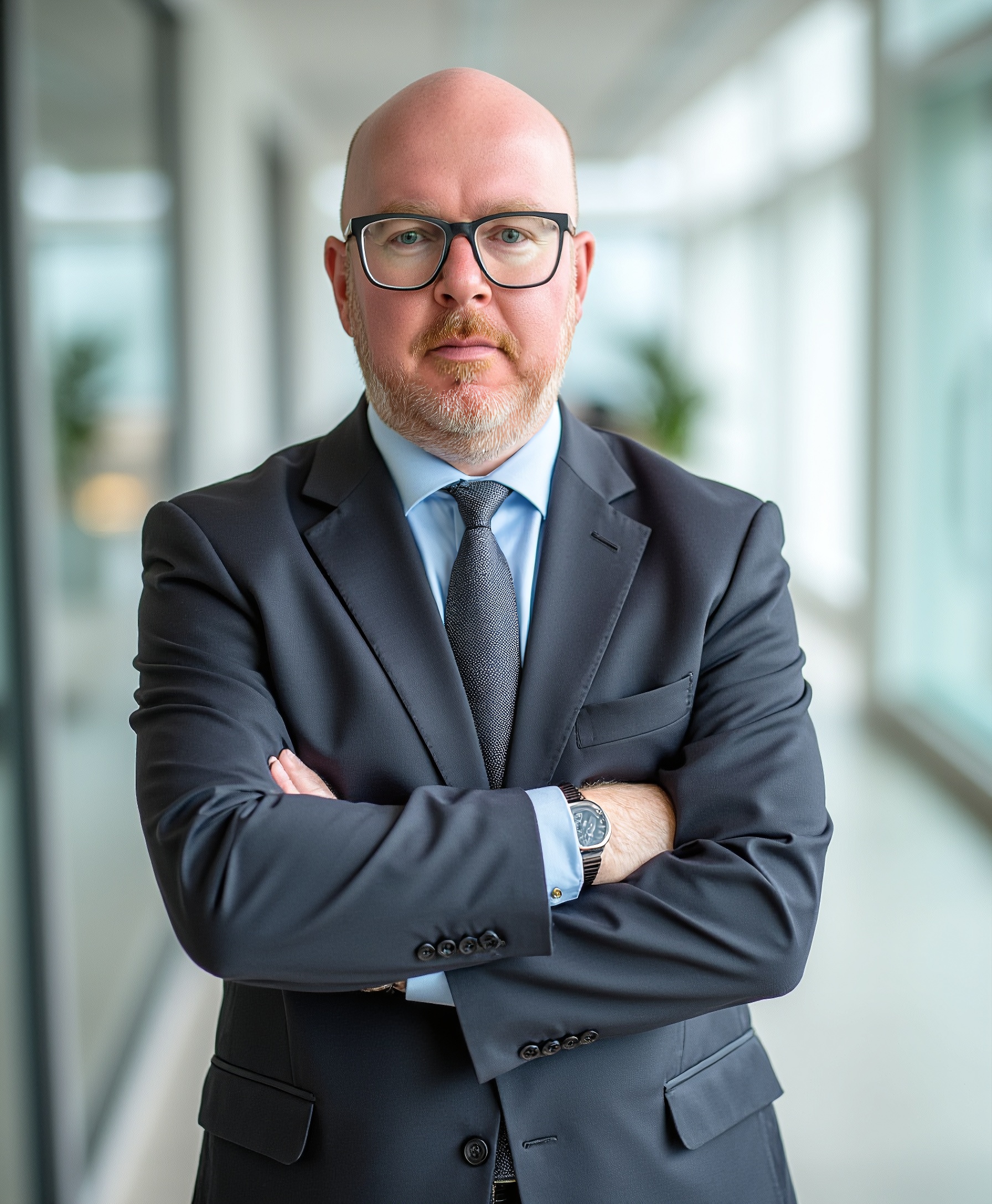
Two decades behind the console.
I came up in live production. Two decades behind consoles — first as an end user, later as a designer, engineer, and trainer for the teams who build these systems for a living. That range is rare, and it taught me one thing above all: technology only matters when it disappears into the moment it's serving.
That work put me behind the console for some of the most-watched worship broadcasts in the world — Passion Conferences, North Point Community Church and its broadcast platform North Point Online, Passion City Church, Cross Point, Gwinnett Church, Buckhead Church, Free Chapel. Rooms where the stakes were measured in audiences of millions of viewers and thousands of live attendees — on the same night. I didn't study these environments from the outside. I mixed them. That's why the leadership teams of the fastest-growing ministries and the most ambitious venues in the country don't have to explain their world to me — I came from it.
That conviction is what I brought to the church. Eight years ago, I set out to build an integration practice that treated a worship room with the same rigor a touring production demands — because a message landing clearly for the person in the back row is no less a performance problem than a show an audience remembers for years. Today that practice, part of my role as Vice President, Faith + Performance at Diversified, is the one culture-shaping organizations trust with their highest-stakes moments.
But I've never believed anyone should be sold a system. Every dollar in a ministry budget was given by someone who trusted it would be used well. Every dollar in a venue's capital budget was raised against a promise to someone. Either way, the money isn't the thing being spent — the trust is. So we start where most integrators finish: we program before we propose. We put design ahead of dollars.
The number isn't a negotiation — it's an answer. Sometimes that answer is less than a pastor or an owner expected. Sometimes the vision they're describing costs more than they've planned for, and the honest thing is to say so early, not discover it in month nine. Either way, they hear it before they sign, not after.
Now the disciplines are converging — and I'm building on both sides of it.
Mission first
Technology is a tool. The mission is the destination. Every design starts with a question that has nothing to do with gear.
Design before dollars
Program the room, then price it. A number arrived at any other way is a guess wearing a suit.
Say it early
The uncomfortable conversation belongs at the beginning, when it can still change the outcome.
Design what inspires. Engineer what endures. Deliver what others say can't be done.Timothy Corder
Two markets. One discipline.
The line between a worship room and a live performance venue is thinner every year. Both are chasing immersion. Both are broadcasting to an audience that isn't in the room. Both are asking a building to do something it was never designed to do.
I've spent my career on both sides of that line, and I don't believe they're separate problems. The same rigor that makes a 5,000-seat sanctuary intelligible in the back row is the rigor a performance venue needs to make a show land in the last row of the balcony. The same broadcast pipeline that carries a Sunday service to millions is the one carrying a nationally touring production to a streaming audience. The tools are converging. The thinking should have already.
That's the bet I've made — and it's why our practice now spans immersive audio, XR, motorized automation, broadcast-grade UHD HDR infrastructure, and lighting design across both markets. Immersion isn't a trend I'm watching — it's a discipline I helped establish. L-ISA was born as an enhancement to the modern line array on the world's biggest tours; I brought it into worship spaces of every size, and no one has designed and delivered more L-ISA systems in the Faith market than I have. Now I'm carrying what those Faith environments taught me back into the Live Performance arena.
It's also why we design and build. The spec-and-bid model separates the person who draws the room from the person accountable for it, and the owner pays for that gap twice — once in the change orders, and again in the months spent litigating who owned the mistake. We don't hand the drawing to someone else and wish them luck. We design it, we build it, and there's one name on it. Ours.
But a rack full of gear was never the return on investment. The return lives in what the gear is asked to do — the creative content that actually fills the screens, the training that makes a volunteer or house team fluent on a system in weeks instead of a season, the color science and LUT development that keep a picture consistent from camera to camera, the lighting programming that turns a rig into a cue stack someone can run with confidence on a Tuesday rehearsal and a Sunday morning alike. Anyone can spec a system. Far fewer can deliver the result it was built for.
Transformation Church Worship Without Walls
A full campus transformation built alongside Pastor Michael Todd's team — a UHD HDR broadcast system, object-based immersive audio, and intelligent lighting designed to take the ministry from a single Tulsa campus to a global content platform reaching millions.
View full case studyVENU Reinventing the Outdoor Venue
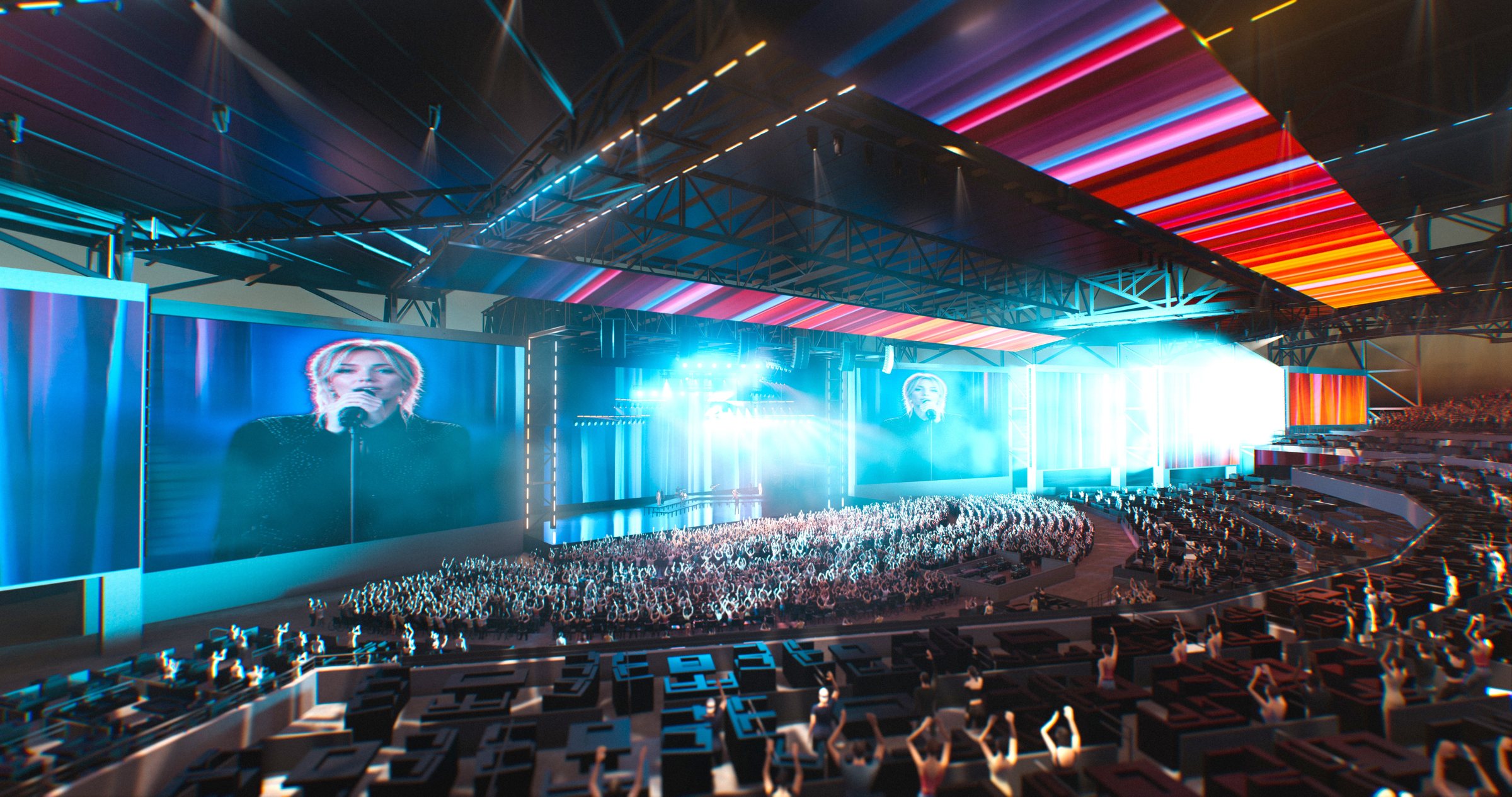
A multi-site amphitheater program for a company reinventing what an outdoor venue can be — immersive audio, generative AI visuals married to broadcast-grade video infrastructure, and house lighting systems that bring the show on stage to every seat in ways never before accomplished in an outdoor amphitheater. All of it built so a national touring act can walk in, plug in, and deliver a show full of moments their fans will never forget — or a corporation can take over the facility and skin every digital canvas in the building as their own. Designed once. Executed at scale. Built to the same standard as everything else on this page.
One standard. No exceptions.
None of that happens by accident. Transformation Church and VENU aren't the exception — they're the standard, and the standard doesn't change when the building does, or when the audience is gathered for worship instead of a show. I built this team — every hire, every partnership, every hard conversation — around one non-negotiable: that the organization you lead never has to wonder if the people behind your most important moments are truly the best in the world at what they do, whether that moment is a Sunday morning or an opening night. Either way, you get one shot at it. We're built to make it count.

Recognized by the industry we serve.
Founder and leader of Diversified's Faith + Performance practice — the team behind every project on this page.
Let's talk about
your next bold step.
A system design question, a speaking invitation, or a venue or worship center in the earliest stages of planning — the earlier the conversation, the more it's worth.